Is My Water Safe?
Is the Abortion Pill Affecting Our Water?
A very high percentage of pregnancy terminations - over 63% according to the Guttmacher Institute - are completed chemically, aka the abortion pill. What happens when the human remains of the pregnancy and the active metabolites of the chemical compounds, are flushed down the toilet and into our water system? With an estimated 40 tons of remnants excreted every year, can our water treatment plants handle the onslaught? There is evidence to prove that it can not.
Mifepristone is the first set of pills orally ingested. In the body, this drug is metabolized by enzymes in the liver forming three main pharmacologically active metabolites.
By definition, active metabolites retain pharmacological activity when broken down by the body and can contribute to or enhance the therapeutic effect of the parent drug.
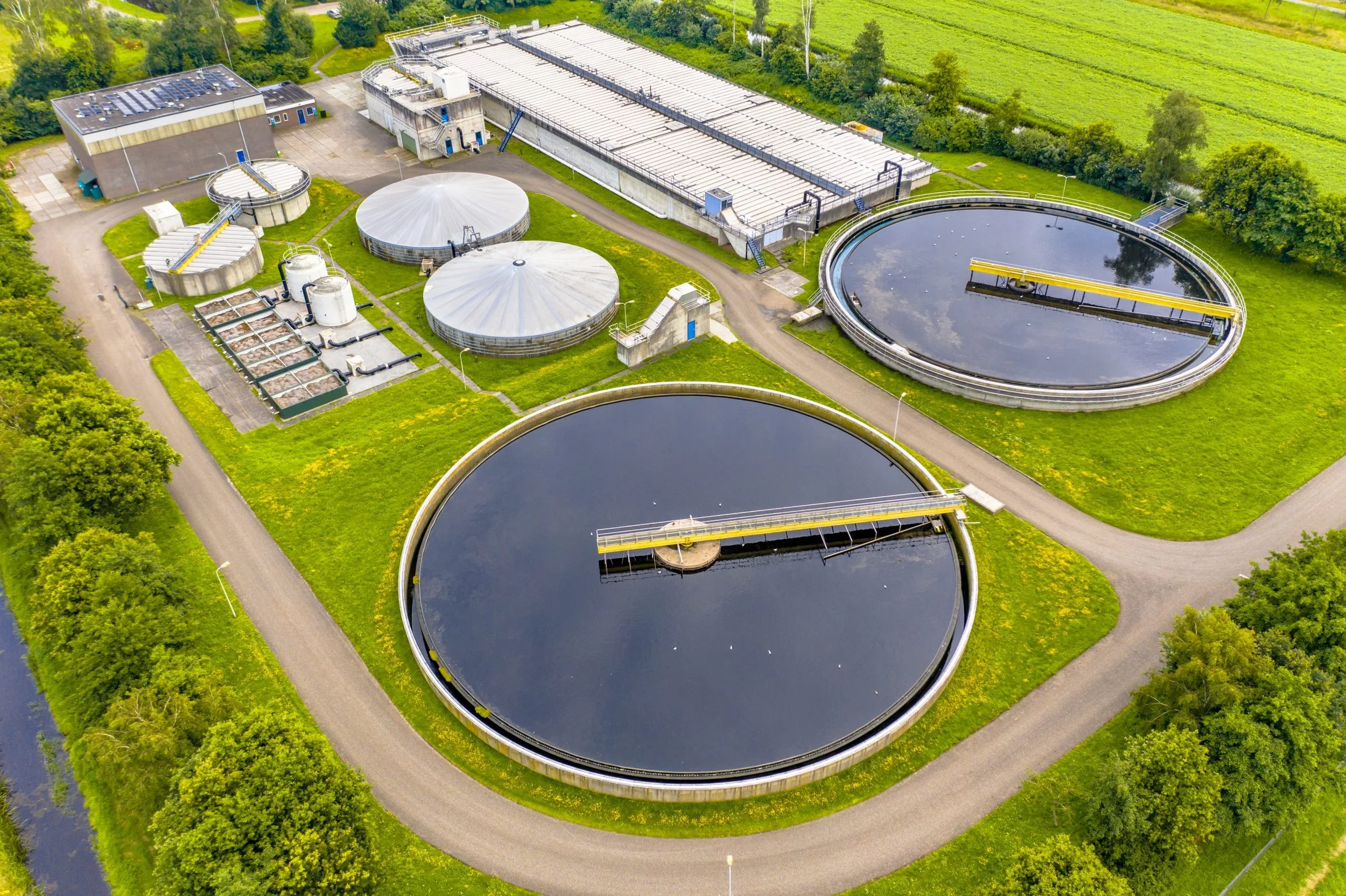
These active metabolites that potentially are stronger than the parent drug, not reabsorbed or digested, are then excreted out of the body and discharged into the water system.
According to an article published by The Life Issues Institute on June 26th, 2025, “The widescale distribution of abortion pills has spawned concerns regarding the chemical’s impact beyond the abortion itself. 700,000 chemical abortions each year may be impacting our water systems, our drinking water, our nation’s rivers and lakes, threatening wildlife, and impacting America’s rate of infertility.” This number is from prescriptions and does not include on-line mail order. So the number is higher.
“It is estimated that over 40 tons of chemically tainted pathological (human) waste enters our wastewater treatment plants every year: A volume and type of waste they are not equipped to handle.” 40 tons is over 88 thousand pounds. That is the weight of an aircraft carrier which is made of heavy medals. Imagine the volume of 88 thousand pounds of fetal tissue.
The amount of pharmaceuticals entering our water system is at an all time high. Science Direct reported that these plants are able to reduce but not remove PhACs in potable water. These compounds, like the active metabolites of mifepristone, reach water systems from different sources such as human excretion and wrongful disposal.
“Municipal wastewater treatment plants (WWTPs) are the major barrier that can prevent contaminants in wastewater from entering the receiving environment. However, WWTPs are designed to aim at the removal of easily or moderately biodegradable carbon, nitrogen and phosphorus compounds and microbiological organisms, but they are not equipped to deal with complex compounds in low concentrations. Like the active metabolites of mifepristone. The chemical stability associated with a low concentration of PhACs makes wastewater treatment not efficient processes in removing these kinds of micropollutants.
To continue, a study conducted by the National Institute of Health found that exposure to the abortion drug byproduct has a negative impact on aquatic life - specifically the masculinization of female fish.
Voices are Speaking Out
Several legislators within the US Senate and Members of Congress have written letters to EPA Administrator Lee Zeldin on this issue.
In her March 2025 letter, Reagan Paul noted “This pathological medical waste is now entering our nation's waterways unchecked, potentially contaminating our water supply and endangering the environment. This contamination introduces Endocrine Disrupting Chemicals (EDCs)- substances that interfere with the hormonal regulation in the human body- into our water, which is then recirculated into the public drinking water system and used in agricultural irrigation. These chemicals pose a significant risk to the fertility of humans, animals, and plants, and the long-term effects are unknown.”
House Member Reagan Paul has also presented a bill for consideration: “An act to make manufacturers responsible for proper disposal of abortion drugs and requires a health care provider to be physically present during a chemical abortion.
This bill will require that Chemical Abortion Pills be treated with the same level of scrutiny as other dangerous chemicals, such as PFAS (commonly referred to as "forever chemicals"), which the EPA has recently started to regulate. The bill will mandate that those distributing chemical abortion pills must provide women with the necessary means and instructions to safely dispose of the abortion remains, ensuring that they do not pollute our environment.
Another of the letters to the EPA dated May 29th, 2024 states that:
“This situation is especially concerning given the dramatic rise in Mifepristone’s use since its original approval by the Food and Drug Administration (FDA) in 2000. It should be noted that before approval, the FDA did not follow the National Environmental Quality Act of 1969 requirement to study the environmental impact of the abortion pill. It relied on a 1996 environmental assessment (done by the Center for Drug Evaluation and Research) that failed to consider the fact that human fetal remains and the drug’s active metabolites would be making their way into wastewater systems across the US.”
When domestic sewage is transported and conveyed to a wastewater treatment plant (WWTP), it is treated to separate liquids from the solids, which produces a semi-solid, nutrient-rich product known as sewage sludge, termed “biosolids”.
In the U.S., there are generally three options for use or disposal of sewage sludge: land application, landfilling, and incineration.
According to the EPA Sewage Sludge Use and Disposal 2024 Biosolids Annual Reports, 60% is used for land application, 25% for landfill, 14% is incineration, 2% has other uses.
So, 85% of the 40 tons of fetal remains and byproducts that can contain these active metabolites are spread or injected into land to fertilize soil or vegetation. The liquid byproducts, containing active metabolites, are partially filtered and recirculated into water sources.
It is Time for Action
Students for Life of America tested the water upstream and downstream of wastewater treatment facilities, as well as water sourced from taps that the wastewater facility serves. The testing showed that the three active metabolites from the chemical abortion pill Mifepristone were detectable in all three locations that were tested.
In an article from SFL Action published in February of 2024, Students for Life have successfully introduced bills in Oklahoma, West Virginia, and Wyoming, to combat the spread of the abortion pill pollution in drinking water. The goal is to hold Pharmaceutical companies responsible for the damage their products cause to the water supply and to ensure that chemically tainted blood, placenta tissue and human remains are disposed of responsibly and properly.
The EPA is currently reviewing a list of 30 pollutants that utility companies are required to track in order to set limits in the future. The SFLA has begun urging its supporters around the country to request that the EPA add mifepristone to that list of drinking water contaminants.
It is claimed that the abortion pill is a safe method of pregnancy termination. One more question……Safe for who? The woman who flushes her baby down the toilet with the possibility of life threatening side effects? Or you who might have devastating consequences as well because you drank a glass of water?