Do I Need to be Tested for an STI?
Should I be tested for an STI?
With 30 known types of diseases, it is imperative to discuss the importance of testing and the facts you need to know for your sexual health. Most infections do not cause symptoms until later stages where permanent damage may have been done.
As reported by the CDC, an estimated 26 million new sexually transmitted disease (STD) infections happen each year, half among young people ages 15-24. There are more than 68 million total (new and existing) STD infections across the United States - that is 1 in 5 people.
A sexually transmitted infection (STI) is a virus, bacteria, fungus, or parasite people can get through sexual contact. A sexually transmitted disease (STD) develops because of an STI and the term implies that the infection has led to some symptom of disease.
There are an estimated 4 million new cases of Chlamydia and 1,600,000 new cases of Gonorrhea annually. These are considered to be the most common causes of infertility. Once a woman experiences the onset of symptoms, she is already in advanced stages of the disease that may cause permanent damage to the uterus, fallopian tubes, and ovaries. If not treated adequately, these can also cause Pelvic Inflammatory Disease in women at the rate of 10-20%.
C. Everett Koop, MD, Former US Surgeon General stated, “When you have sex with someone, you are having sex with everyone they have had sex with for the last 10 years, and everyone they and their partners have had sex with for the last 10 years”.
Partners Exposure - # of people you are exposed to that may be infected
1 1
4 15
7 127
10 1,023
12 4,095
14 16,383
16 65,535
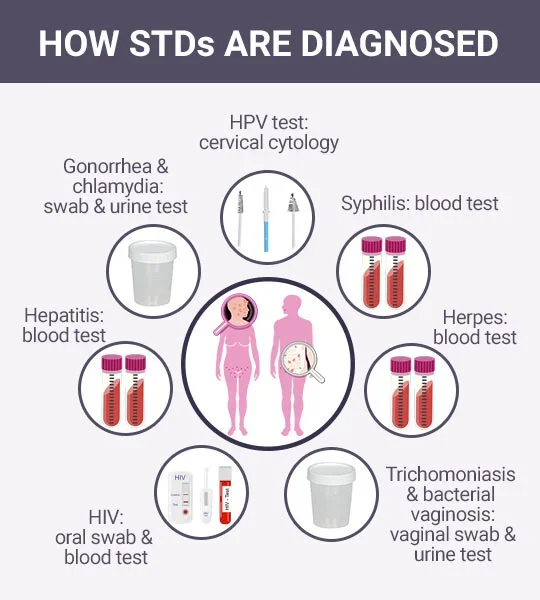
There are 30 different known kinds of STIs. 26 of the 30 STIs affect women only. The other 4 of the 30 affect both men and women. Here is a brief description of the more common STDs, signs and symptoms. Already mentioned, Chlamydia and Gonorrhea - bacterial, “silent diseases”, that cause pelvic pain, discharge, PID, infertility, and organ damage.
Syphilis: also a bacteria causing ulcers on the genitalia and surrounding areas and mouth. Untreated, it may damage internal organs, nerves, eyes, heart, blood vessels, liver, bones and joints. It can cause brain disorders, heart disease, blindness, dementia, and death. 209,253 new cases were reported in 2023. Although treated with antibiotics, the medication will not undo damage that has been done.
Hepatitis B: a virus attacking the liver causing lifelong infection, scarring of the liver, liver cancer, liver failure and death. There is a vaccine to prevent it but no treatment. Other side effects are jaundice, fatigue, abdominal pain, dark urine, loss of appetite and nausea. The CDC reports 2.4 million chronic cases and 17,650 new cases in 2023, as well as 1,769 deaths.
HIV: a virus that weakens the immune system and causes AIDS. Transmitted through sexual contact and blood contact. There were an estimated 1.2 million people living with AIDS, with 31,880 new infections in 2022. 18,498 deaths in 2020. It causes fever, sore throat, fatigue, and swollen lymph glands. You must be tested because symptoms mimic many other diseases.
Genital Herpes: a virus causing lifelong incurable infections that can create recurrent and painful genital sores. Those infected with the virus are 2-3 times more likely to acquire HIV. 12% of the US population is infected. That number is 1 in 8 in the demographic between ages 14-49. 87% clinically undiagnosed. Herpes stays in the bloodstream for life, but can be somewhat managed with antiviral medications.
Trichomoniasis: a parasite infecting 2 million people in the US. It causes ugly smelly discharge and difficulty urinating. It also puts one at a higher risk of other STD infections. It is the most curable but rarely detected unless tested.
HPV: a virus and the most common STD. 43 million people are currently infected and there are 12 million new cases each year. It causes wart-like growths on genitals that spread to the mouth, cervix, vulva, anus or penis and could lead to cancer. Not life threatening but stressful and treatment is considered uncomfortable. Every year, 12,000 women are diagnosed with cervical cancer and 4,000 women die. There is no cure but there are two vaccines approved by the FDA to protect some HPV types. Don’t get too excited, there are over 100 strains of HPV and the vaccines only cover less than 10% of them.
Won’t condoms protect me from STIs?
Condoms are highly effective for some STDs under laboratory conditions, however, in the real world they are not always used perfectly.
There are 20 steps in the instructions! Condom use errors, which include breakage, slippage, and incomplete use - due to abbreviated 20 steps - occur in up to 40% of sexual encounters.
Here is what the Center for Disease Control says:
You can be infected with any STD even when using condoms 100% of the time. They, when used consistently and correctly, can REDUCE the risk of transmission of chlamydia, gonorrhea, and trichomoniasis. But we are talking about a 50-60% failure rate for these bacterial infections.
They may also reduce the risk of genital ulcer and other viral diseases such as syphilis, HPV, HIV, and genital herpes when the additional infected area or site of potential exposure is covered. If you have sex with or without a condom, you are at risk.
What if a woman contracts an STD and gets pregnant?
Chlamydia and Gonorrhea can cause PID - this can damage the fallopian tubes and tissues in the uterus and ovaries. Untreated PID can lead to serious consequences including infertility, ectopic pregnancy, abscess formation and ongoing pelvic pain. Syphilis can be passed to the unborn baby and can result in fetal death or a baby born with physical and mental disabilities. Herpes can cause painful outbreaks and potentially fatal infections in the unborn babies. HPV can cause cervical and other cancers.
A pregnant woman with any STD may begin early labor, rupture the membranes surrounding the baby in the uterus too early and get uterine infection after delivery. STDs can be passed from the mother to the baby before, during and after birth. Some STDs like Syphilis cross the placenta and infect the baby while in the womb. Other STDs - like Gonorrhea, Chlamydia, Hepatitis B, and Genital Herpes - can be passed to the baby in delivery during passage through the birth canal. HIV (AIDS) can do all of the aforementioned as well as cause infection through breastfeeding.
The harmful effects of STDs in babies may include stillbirth, low birth weight (under 5 pounds), conjunctivitis (eye infection), pneumonia, neonatal sepsis (infection of the blood stream), neurologic damage (such as brain damage or lack of coordination in body movements), blindness, deafness, acute hepatitis, meningitis, chronic liver disease and cirrhosis (scarring of the liver).
The best way to treat an STI is to avoid getting it in the first place. If you are going to be engaging in sexual activity outside of a long term monogamous, preferably marital, relationship, you and your partner should be tested.