Why Do I Need an Ultrasound if I Want an Abortion?
Knowing what is actually happening during the very early stages of pregnancy is anyone’s best guess. In such a deep unknown, how do we know if the pregnancy is progressing? How do we know it is in the correct place before damage is done? And for an uncertain woman, how can she think that it is safe to undergo a chemical or surgical procedure? It is true that many women are emotionally affected by the opportunity to see a beating heart in an ultrasound, but the importance of it is imperative to ensure that her health remains the priority, regardless of her decision.
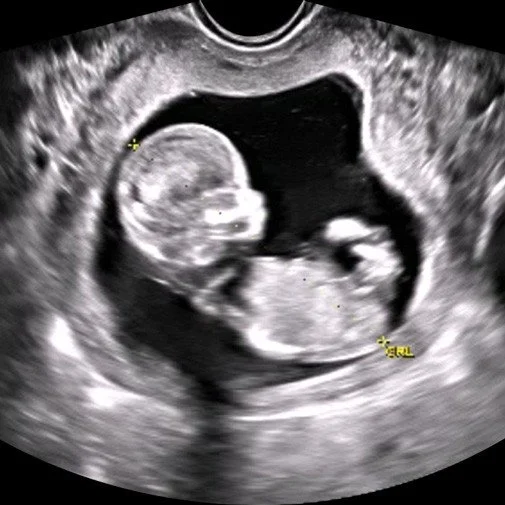
For women facing unplanned pregnancies and unsure what to do, the procedure is not just critical, but imperative during their decision process. Some people will argue that this is a tool to sway women into choosing life as they will get to possibly seeing their unborn child. It is essential for the protection of a woman before she undergoes any invasive abortion process if that is the route she ultimately decides. Mary, a licensed nurse sonographer, explains this in detail.
Question 1: Can you please tell us the purpose of the ultrasound and what kind of information you are able to determine?
The ultrasound is a powerful tool to determine the viability of the pregnancy, early on before most OB appointments are offered. The procedures administered at pregnancy centers are limited obstetric ultrasounds that determine three things.
The location of the pregnancy. Research suggests in at least 1 out of every 50 pregnancies, the embryo implants somewhere other than the uterus. Most commonly, it implants in a fallopian tube. This type of pregnancy is a tubal or ectopic pregnancy and is life-threatening if not treated. If not diagnosed early, there is a risk of the tube bursting, internal hemorrhage, and maternal death.
Gestational age of the baby, or in simpler terms, how far along a woman is in her pregnancy. The FDA has approved the use of the abortion pill up to 70 days from the first day of your last menstrual period. However, it is very common for the dates determined by the ultrasound to be significantly different from what would be calculated by her LMP. Also, many women have irregular cycles or other medical issues that dis-regulate their menstrual cycle. If the actual dates are not known before any medical procedure is administered and the pregnancy is outside of the FDA approved window, that can pose great risk to the health of the mother.
If the pregnancy is viable. Viability means your pregnancy is developing and has a detectable heartbeat. The Mayo Clinic estimates up to 20% of known pregnancies end in a natural miscarriage. The number is likely higher because many women miscarry before realizing they are pregnant. The pregnancy hormone hCG level, determined by a blood test that some women have to determine pregnancy, stays in the blood and urine for a while after a miscarriage. You can receive a positive pregnancy test when you are no longer pregnant. So the presence or lack thereof of the heartbeat is definitive of her pregnancy status.
Question 2: Can you explain the different types of ultrasounds that you perform?
We perform transabdominal and transvaginal ultrasounds. With a transabdominal ultrasound, I rub a wand-like instrument called a transducer on the abdomen. The transducer picks up the echoes of sound waves and helps me see inside the uterus to learn about the pregnancy.
For a transvaginal ultrasound, the transducer is inserted inside the vagina. This method provides a more detailed image of the uterus, performed if necessary if the findings are limited due to an early gestational age.
Question 3: Most Obstetricians will not schedule an appointment until at least 10 weeks gestational age. Please tell us how you determine who is eligible for an ultrasound in your center and how early it can be administered.
We see all women regardless of her initial intention for her pregnancy. Until the advocates and the nurse evaluate her situation, anyone can be vulnerable. Her medical history is taken to determine if she is eligible for an ultrasound. For example, we cannot allow this procedure if she has had a previous ectopic pregnancy. Other reasons would be if she is bleeding, in severe pain, or if her projected gestational age is under 6 weeks based on the first day of her last period.
We, also, do not allow ultrasounds for women who want to determine if their abortion worked after taking the pills. However, if a woman had taken mifepristone and changed her mind within 24 hours, we would immediately refer her to abortion pill reversal care.
Question 4: Why is it crucial for a woman to have an ultrasound if she is considering abortion? What would have happened if she decided to take the abortion pill outside the legal window?
I cannot say definitively what would have happened, but most likely, the first pill which kills that baby would not work. There are cases of women aborting live babies into their toilets that unfortunately died in front of them. If the woman does not pass the baby on her own, she needs immediate medical attention.
Question 5: Why was it important for her to have the ultrasound to see a heartbeat?
For the woman who is abortion vulnerable or abortion minded, it is important because a woman should not have to go through a very expensive and invasive procedure if the pregnancy is ending in miscarriage.
Question 6: If a miscarriage does not pass on its own, or if a chemical abortion is incomplete, is it important to know the signs and symptoms of when to get medical help?
If either of these are left untreated, the remaining fetal tissue can lead to complications like severe infection, heavy bleeding, and abdominal pain, potentially putting the woman's life at risk. While some women choose to wait for the miscarriage to happen naturally, which can take several weeks, it's crucial to monitor for signs of infection and seek medical treatment if the fetus doesn't pass on its own. And a woman may not necessarily know if a chemical abortion was fully executed until symptoms arise that are out of the norm.
Question 7: If she indeed falls to the path of abortion, yet her pregnancy was no longer viable, what would have happened?
It is not widely known what will happen if a woman takes the pills while not pregnant. She will most likely still suffer from some of the side effects regardless. Those include: strong cramping, heavy bleeding, chills, fever, headache, dizziness, nausea, vomiting, and diarrhea. The FDA black box warning states, “Warning: serious and sometimes fatal infections and bleeding.”